
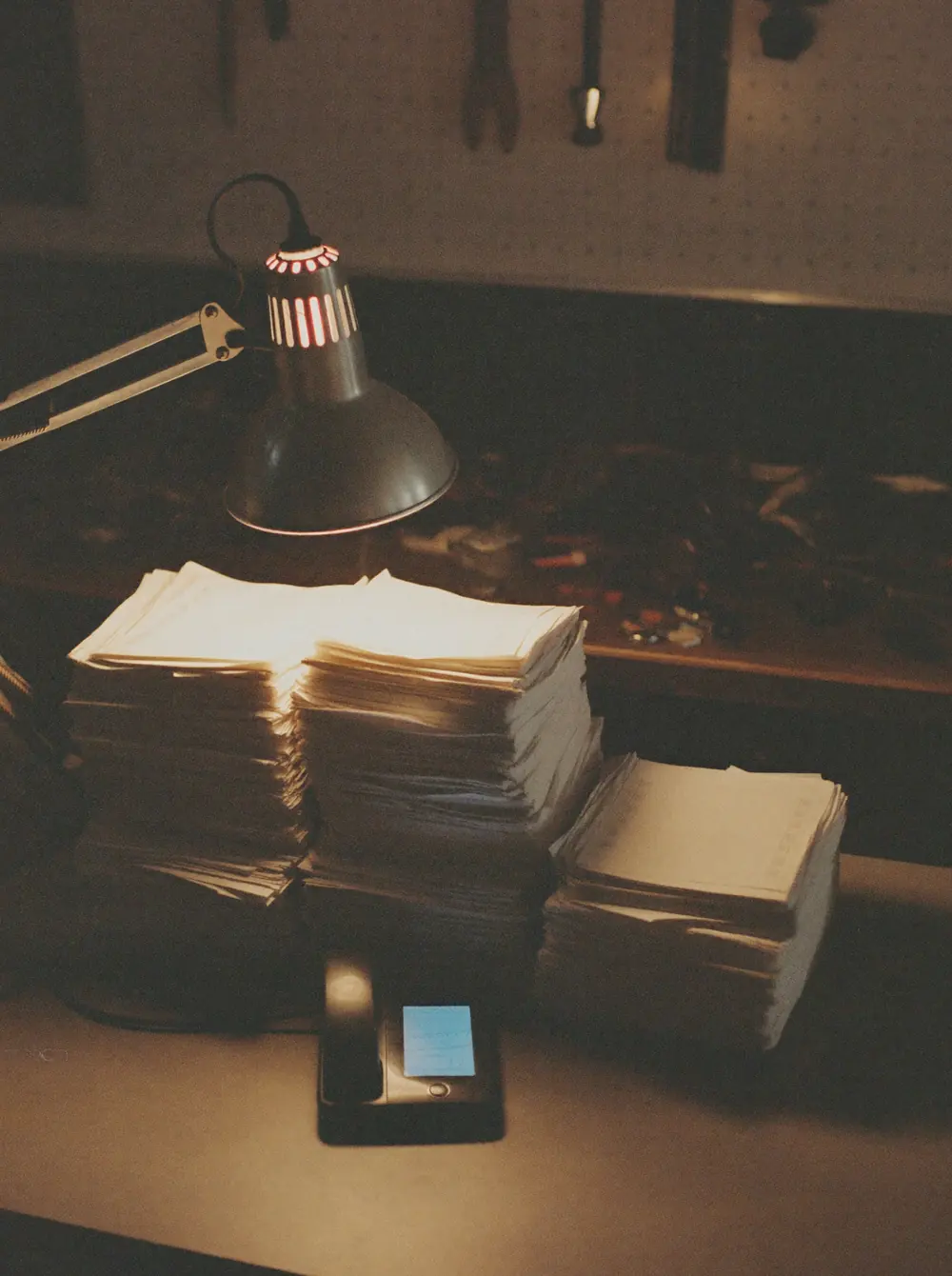
After hours HVAC emergency call triage: which calls get a tech tonight
After hours HVAC emergency call triage means sorting every night and weekend call into one of three buckets before anyone rolls a truck. Gas smells and carbon monoxide alarms are safety calls: the caller gets out and calls the gas utility or 911 first. No heat in freezing weather, with someone at risk in the house, goes to your on-call tech now. Everything else gets a few basic checks and a booked slot for the morning.
The point is to write those rules down before the first cold snap, so whoever answers your phone at 2 AM applies them the same way you would.
The quick version
- Safety first. Gas smell, hissing near a gas line, a CO alarm or CO symptoms: tell the caller to leave and call the utility or 911 from outside. Then log it for a follow-up.
- Who is in the house. No heat plus a baby, an older adult or someone sick: on-call tech now.
- How cold it is. No heat on a subzero night is a different call than no heat at 45 degrees.
- Basic checks. Thermostat on heat, furnace switch on, breaker, filter. If that fixes it, no truck.
- Book the rest. First slot in the morning, with a text confirming it.
Bucket 1: Safety calls you do not fix on the phone
These calls are not HVAC calls yet. They are get-out-of-the-house calls.
Gas smell
We Energies tells customers that if they smell gas, "Leave immediately" and "do not turn on light switches or use phones," then call the utility "from another location." The Public Service Commission of Wisconsin adds: "Do not use cell phones, lights, appliances, cars, flames, or sparks near suspected gas leaks because these can ignite it."
Callers do not always use the word gas. The PSC notes some people describe the smell as "rotten eggs, sulfur, or garlic," and that a leak "can make a hissing sound near a gas appliance, meter, or pipeline." Put those words on your trigger list.
Furnace makers say the same. Carrier's troubleshooting guide says if you smell gas, "do not operate electrical switches or attempt to relight the furnace."
Carbon monoxide
A furnace is a common CO source. The EPA lists "Worn or poorly adjusted and maintained combustion devices (e.g., boilers, furnaces)" as possible significant sources, along with a flue that is "blocked, disconnected, or is leaking." Symptoms it lists include headaches, dizziness, confusion and nausea, and it can "cause flu-like symptoms that clear up after leaving home."
In Minnesota, most homes should have an alarm. Minnesota Statutes 299F.51 requires a working CO alarm "within ten feet of each room lawfully used for sleeping purposes." So a caller reporting a CO alarm going off is a common call.
The line to give: We Energies says for carbon monoxide, "Leave building and call: 911." The Red Cross says if someone starts to feel sick, dizzy or weak, "get to fresh air right away."
Our view: whoever answers your phone should never coach a caller through a gas or CO problem. Give the safety line, get them out, then text your on-call tech so the shop can follow up once the utility or fire department has cleared the house. This is our judgment, not a sourced fact.
Bucket 2: No heat that cannot wait
No heat is the call you get most in a Minnesota or Wisconsin January. Most of these are urgent but not dangerous. What changes that is who is in the house and how cold it is.
The Red Cross says "Older adults, babies, children, and people with certain health conditions are more at risk" of hypothermia. That gives you a clean, defensible rule: no heat plus one of those people in the home goes to a human tonight.
Questions that sort no-heat calls fast:
- Is anyone in the home a baby, an older adult or someone with a health condition?
- How cold is it inside right now?
- Is the furnace running and blowing cold air, or not running at all?
- Any gas smell, hissing or CO alarm? (If yes, go back to bucket 1.)
- Is there another safe heat source, or somewhere warm to go tonight?
- Best callback number and address?
What to tell them while they wait
Callers will try to fix the cold themselves. Give them the safe version.
- No oven or stove. The Red Cross says "never heat your home with a cooking oven or stove."
- Space heater spacing. Keep anything that could catch fire "at least 3 feet (1 meter) from the heat," per the Red Cross.
- No grills or camp heaters inside. We Energies says "Never use outdoor grills, kerosene heaters or camping heaters for indoor heating."
- Somewhere warm. The Red Cross suggests "a public library, shopping mall, or warming center if your home becomes too cold."
Bucket 3: Book it for the morning
A lot of after-hours no-heat calls are a setting, a switch or a filter. Carrier recommends "three basic checks": the thermostat is set to heat, the furnace power switch is on, and the air filter is not clogged. It also says to check that the thermostat "has power" and that the temperature setting "is higher than the current room temperature," and to "check the circuit breaker."
Walk the caller through those checks. If heat comes back, book a morning visit anyway if they want one. If it does not, and nobody in the house is at higher risk, book the first slot and text the confirmation.
The triage table
Print this and tape it next to the phone, or load it into whatever answers your calls.
| Caller says | Bucket | What the phone does |
|---|---|---|
| Smells gas, rotten eggs, hissing | 1: Safety | Leave now, call utility or 911 from outside. Text on-call tech. |
| CO alarm going off, headache, dizzy | 1: Safety | Leave, call 911. Text on-call tech. |
| No heat, baby or older adult home | 2: Tonight | Safety tips, then straight to on-call tech. |
| No heat, very cold inside | 2: Tonight | Safety tips, then straight to on-call tech. |
| No heat, basic checks not done | 3: Morning, maybe | Walk through thermostat, switch, breaker, filter. |
| No heat, healthy adults, house still warm | 3: Morning | Book first slot, text confirmation. |
| AC, noise, tune-up, quote | 3: Morning | Book it. |
Which temperature counts as very cold is your call. Our view: set one number per season and write it down, so the 2 AM answer does not depend on who picked up. This is our judgment, not a sourced fact.
When no heat is a utility problem, not a furnace problem
Some no-heat calls in winter are a shutoff or a billing issue. Knowing the rules keeps you from sending a tech to a furnace that has no gas.
- Minnesota: Minn. Stat. 216B.096 defines the cold weather period as "October 1 through April 30 of the following year," with protections for qualifying households that keep a payment agreement.
- Wisconsin: the PSC's October 2026 release says "from November 1st to April 15th, utilities are prohibited from disconnecting utility service for nonpayment when it is used for home heating." It also points to WHEAP, which covers "emergency furnace repairs" for eligible households, and its line "1-866- HEATWIS (432-8947)."
This is general information, not legal advice. If a caller's service was shut off, point them to their utility and these programs.
Where an AI front desk fits, and where it does not
An after-hours call has two jobs: ask the right questions, and get the urgent ones to a person fast. Software can do the first job every time. It should not be the one deciding what counts as an emergency.
That is how Riot Digital sets it up. The AI front desk "introduces itself as an AI assistant for your business," per our pricing page. You write the rules: "gas smell, flooding, no heat in winter. Calls that match go straight to a human, the way you set it. The AI does not decide emergencies on its own." On how the AI front desk works, "No heat in winter can be on your emergency list, so this call goes straight to a human." Calls that are not on the list get booked, and you get a text summary. Our guide to the answering service for HVAC compares the options by shop size.
What it cannot do: smell gas, read a flue, or judge how sick someone sounds. That is why the rules above lean hard on getting people out and sending calls to a human. For the text side of a missed call, see missed call text back for HVAC, with sample texts.
If you want to see how many after-hours calls your shop is missing before winter hits, send 30 days of call history and get a one-page value sheet back. Get a free missed-call audit
Common questions
What counts as an HVAC emergency after hours?
Your rules decide, but most shops treat three kinds of calls as urgent: a gas smell or carbon monoxide alarm (the caller leaves and calls the utility or 911 first), no heat in freezing weather with someone at higher risk in the house, and no heat that a basic thermostat, switch, breaker and filter check does not fix. Everything else can usually be booked for the morning.
What should a customer do if they smell gas and call an HVAC company?
Tell them to leave right away and call the gas utility or 911 from outside. Wisconsin's Public Service Commission says not to use cell phones, lights or appliances near a suspected leak. Your tech comes after the utility has made it safe.
What should someone do while waiting for a furnace repair in winter?
Dress in layers, keep any space heater at least 3 feet from anything that can burn, and never heat the home with an oven or stove. If the house gets too cold, the Red Cross suggests going to a library, mall or warming center.
Can an AI answering service decide which HVAC calls are emergencies?
It should not decide on its own. You write the emergency list, and calls that match go straight to a human. The AI's job is to ask the questions, give the safety line you wrote, and pass the call on fast.
Does the Minnesota Cold Weather Rule apply to furnace repairs?
No. It covers utility disconnections from October 1 through April 30 for qualifying households. It matters for triage because some no-heat calls are really a shutoff or a payment problem, not a broken furnace.
Riot Digital builds and runs an AI front desk for Minnesota and Wisconsin service businesses. It answers calls, books jobs and texts back missed calls. Operated by Hive Asset Group, LLC, Prior Lake, Minnesota.
Book a call See how it works